Welcome to Marine Rubber Fender Supplier - Nanjing Deers Industrial Co.,Ltd

Skype: evasky86
Whatsapp: +86 13376094258
E-mail: benny@chinarubberfender.com

Causes and Countermeasures of Floating Dredging Pipeline Bursting
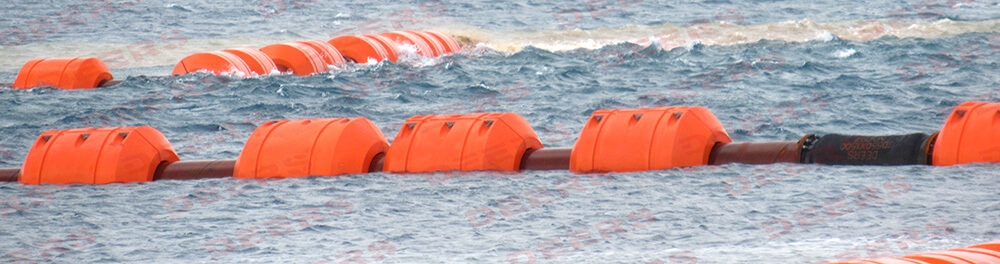
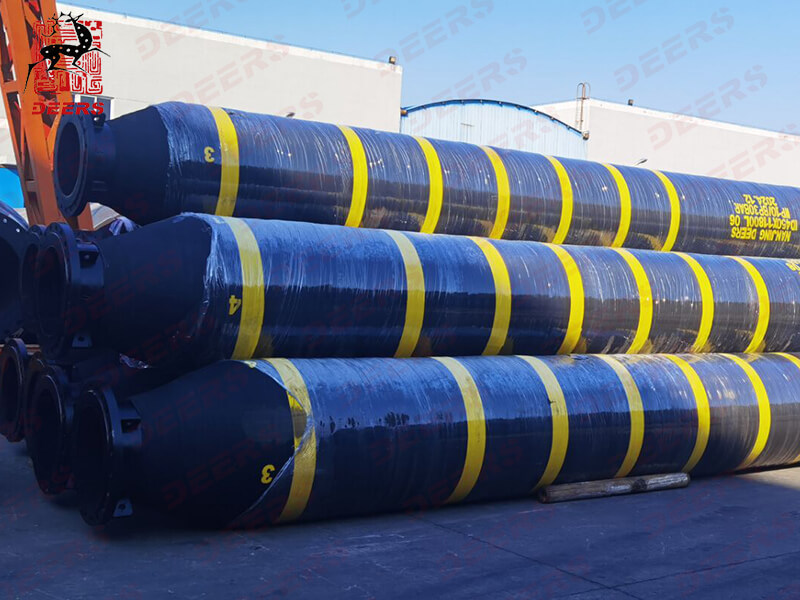
During dredging operations, floating dredging pipelines are subjected to high internal pressure and harsh working conditions. Pipeline bursting not only interrupts construction but may also cause equipment damage and safety hazards. Understanding the causes, identification methods, and preventive measures is essential for safe and stable dredging operations.

dredging steel pipeline

1. Main Causes of Floating Pipeline Bursting

Floating pipeline bursting is usually caused by a combination of factors, including:

  • Pipeline blockage, leading to local pressure concentration;
  • Excessive discharge pressure from the dredging system;
  • Pipeline aging or insufficient wall thickness, especially for worn steel pipes and aged rubber hoses.

2. How to Identify Pipeline Bursting

Pipeline bursting can be identified through abnormal operational parameters and on-site observations, including:

  • A sudden drop in discharge pressure accompanied by an increase in flow velocity;
  • An abnormal rise in suction pressure (vacuum);
  • Increased main engine load and elevated exhaust gas temperature;
  • Severe wear-related rupture of steel pipes;
  • Bursting of rubber hoses caused by aging, abrasion, mechanical damage, or dead bending.

Timely identification of these warning signs helps operators take immediate action and minimize losses.

3. Corrective Measures After Pipeline Bursting

Once pipeline bursting is confirmed, appropriate corrective measures should be implemented based on the extent of damage:

  • Temporary repair of minor damage by welding or clamping;
  • Replacement of severely worn steel pipes or damaged rubber hoses to restore system integrity.

4. Preventive Measures

Compared with post-failure repairs, preventive measures play a more important role in reducing the risk of pipeline bursting. The following practices are recommended during dredging operations:

  • Keep the floating pipeline properly aligned and as straight as possible to avoid dead bends;
  • Regularly inspect and measure pipeline wear, and rotate or replace pipeline sections in a timely manner;
  • Promptly replace aged or damaged rubber hoses to prevent operation under degraded conditions;
  • Control discharge pressure in accordance with dredging equipment capacity and operating conditions, avoiding prolonged overpressure operation.

Floating dredging pipeline bursting is not caused by a single factor but results from the combined effects of operating pressure, pipeline condition, and operational management. Through proper operational control, regular inspection, and effective pressure management, the risk of pipeline bursting can be significantly reduced, ensuring safe, stable, and efficient dredging operations.

Related Products

Prev: