HomeNewsIndustry NewsDredging Pipeline Systems: Floating, Submerged, and Land Pipelines
Dredging Pipeline Systems: Floating, Submerged, and Land Pipelines
Date:2026-03-12
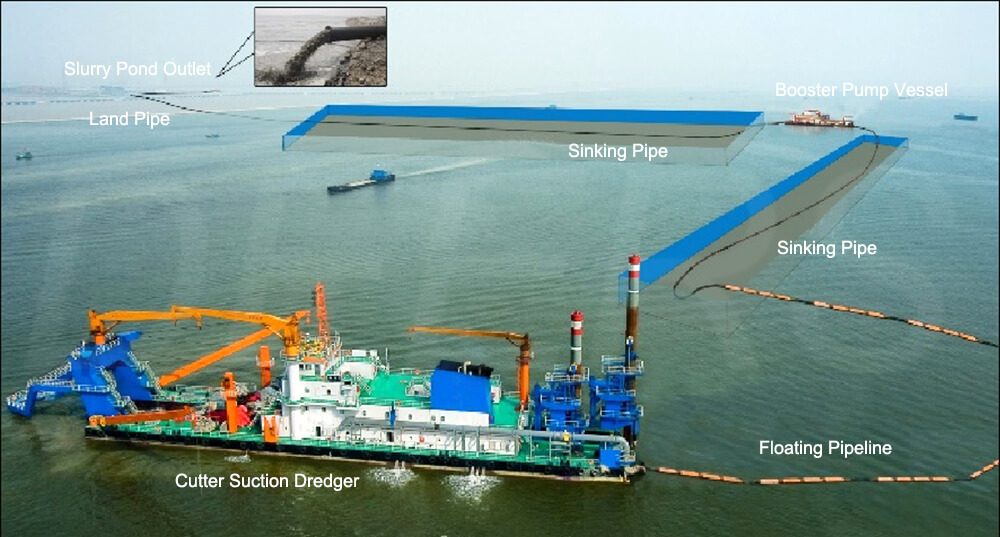
In dredging projects, pipeline systems are essential for transporting dredged materials from the dredger to the designated discharge area. A typical dredging pipeline system generally consists of floating pipelines, submerged (sinking) pipelines, and land pipelines, which can be used individually or integrated as a system according to project requirements.
1. Floating Pipelines
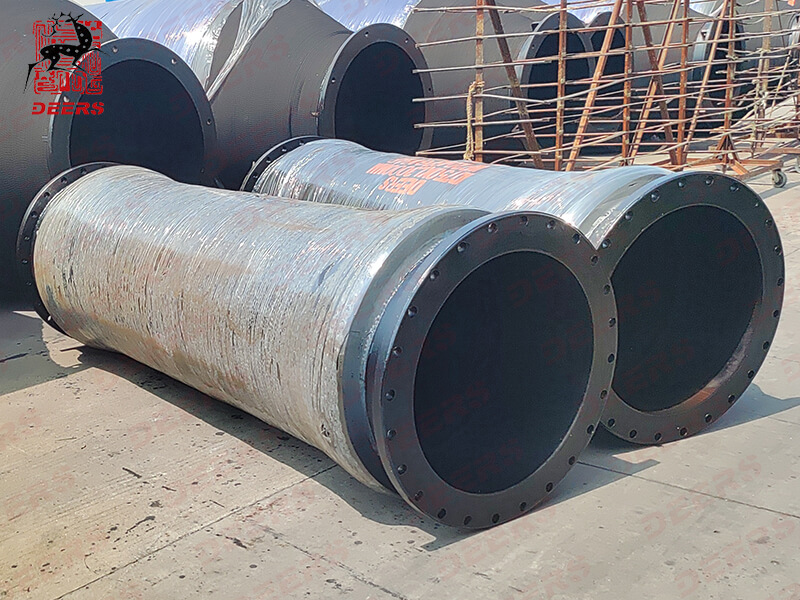
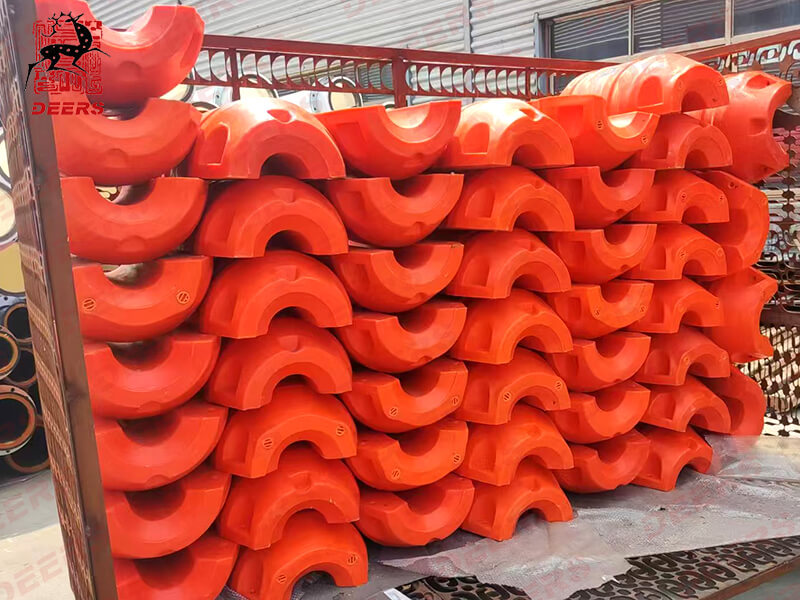
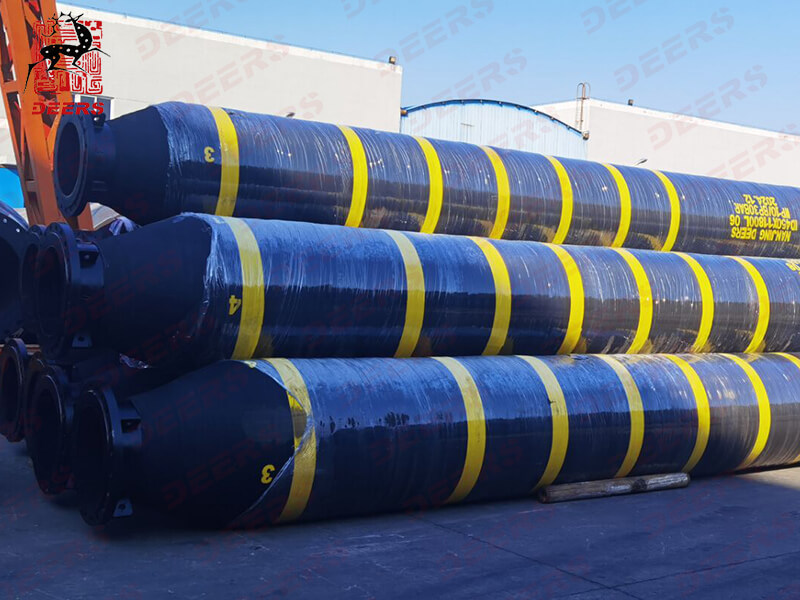
Floating pipelines are used to convey dredged materials across water surfaces. In practice, they may refer to floating rubber hoses or to combined floating pipeline systems consisting of HDPE pipes or steel pipes supported by pipe floaters and connected with flexible discharge hoses. This configuration provides both structural strength and flexibility during operation.
2. Submerged Pipelines
Submerged (sinking) pipelines are installed underwater and are commonly used when pipelines need to cross navigation channels or when floating pipelines are not suitable. They remain stable on the seabed while maintaining reliable material transport.
3. Land Pipelines
Land pipelines are installed onshore to transport dredged materials from the shoreline to disposal areas, reclamation sites, or other designated locations. Steel pipes and HDPE pipes are commonly used depending on project requirements.
If you are working on a dredging project and require pipeline solutions, feel free to contact us for further discussion.