Welcome to Marine Rubber Fender Supplier - Nanjing Deers Industrial Co.,Ltd

Skype: evasky86
Whatsapp: +86 13376094258
E-mail: benny@chinarubberfender.com

Floating Dredging Pipeline Installation Methods in Dredging Projects
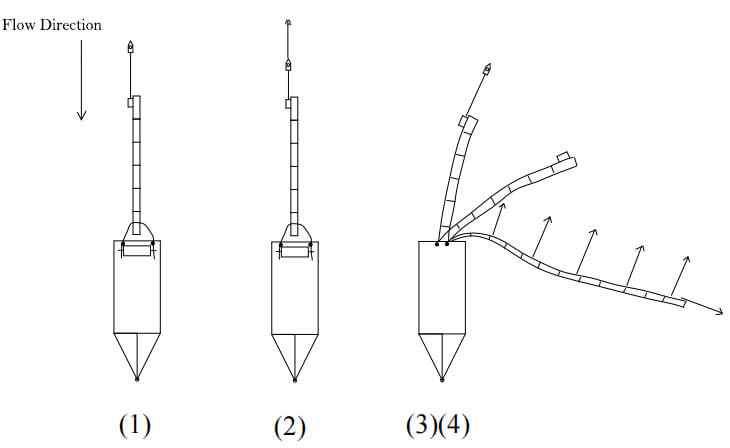
In dredging operations, the installation of floating dredging pipelines is a critical task that directly affects operational safety, pumping efficiency, and overall project progress. Depending on site conditions such as current direction, flow velocity, tidal range, and construction layout, dredging pipelines are typically installed using one of three methods: downstream installation, upstream installation, or slack-water installation.

1. Downstream Installation

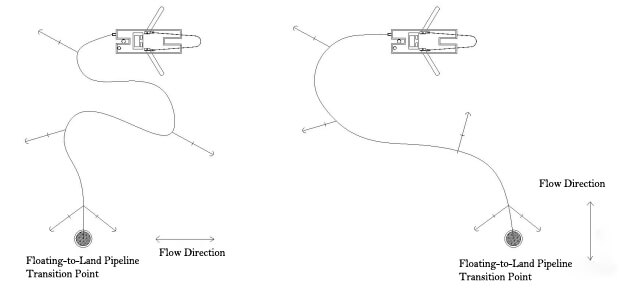
Downstream installation is commonly applied in river dredging or coastal areas with stable and relatively strong currents. By installing the pipeline in the same direction as the water flow, external forces acting on the pipeline can be effectively reduced during installation.

Installation Procedure

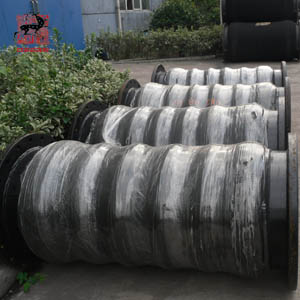
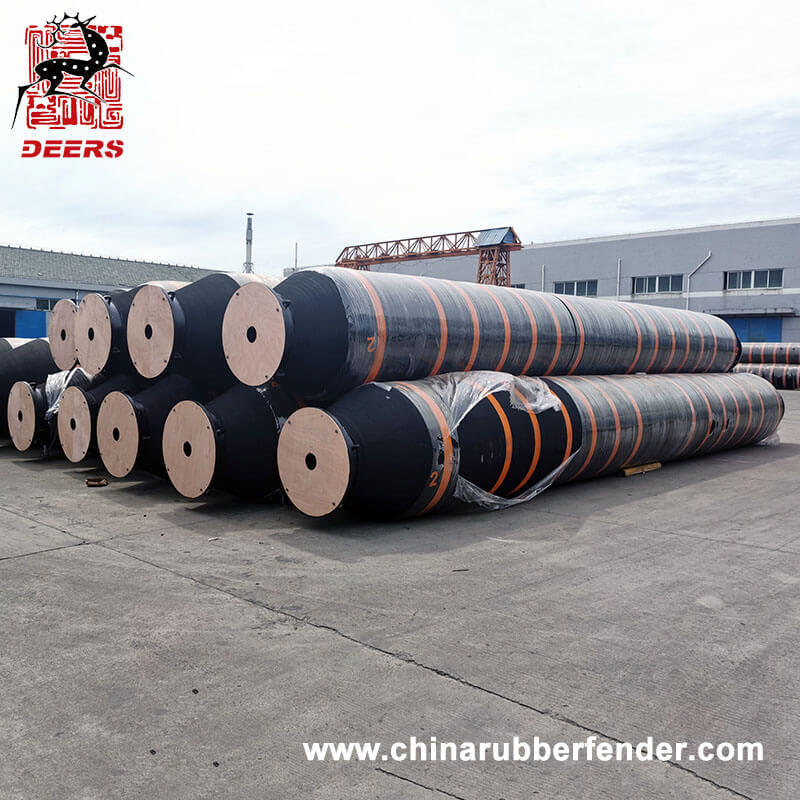
  • Pre-assembled floating hoses or dredging pipelines are pushed upstream by tugboats or anchor boats toward the stern of the cutter suction dredger. The downstream end of the pipeline is carefully aligned with the dredger discharge outlet and connected using the stern winch for fine positioning.
  • Once the pipeline is straightened, the tugboat or anchor boat drops anchor and remains on standby while the final connection is secured.
  • The floating hose is then towed toward the reclamation area or the submerged pipeline connection point. Pipeline anchors are deployed progressively based on current conditions. Anchor spacing is determined by flow velocity, with the primary objective of maintaining a smooth pipeline curvature and avoiding sharp or “dead” bends.
  • Upon reaching the land pipeline trestle or submerged pipeline entry point, the dredging pipeline is connected to the discharge line. The final pair of floating hoses is typically secured using figure-eight anchoring to enhance stability.
Downstream Installation

2. Upstream Installation

Upstream installation is generally adopted in confined waters, shallow areas, or locations where downstream installation is restricted by navigation conditions or site layout.

Installation Procedure

  • The pre-assembled floating dredging pipeline is first towed to the reclamation area or submerged pipeline entry point. Where water depth is insufficient for tugboat operation, small workboats or shore-based winching may be used. The pipeline outlet is connected to the discharge hoses and secured with figure-eight anchors. The upstream end is then pushed against the current toward the dredger stern and connected to the discharge outlet.
  • Alternatively, the pipeline may first be connected to the dredger discharge outlet, after which the downstream end is pushed upstream and connected to the land or sinking pipeline system.
Upstream Installation

3. Slack-Water Installation

Slack-water installation is typically carried out during tidal reversals, when current velocity is minimal. This method offers better controllability and is particularly suitable for long floating pipelines or complex hydrological environments.

Installation Procedure

  • One end of the pipeline is first connected and secured to the land pipeline trestle or sinking pipeline entry point.
  • The other end is then connected to the dredger discharge outlet.
  • Tugboats or anchor boats are used to straighten the pipeline and eliminate sharp bends. Pipeline anchors are deployed in both flood and ebb tide directions to ensure stability after installation.
Slack-Water Installation

4. Pipeline Anchoring and Stability Control

Pipeline anchors play a vital role in controlling floating pipeline alignment and reducing hydrodynamic loads caused by currents and wind. Proper anchoring prevents pipeline drifting, joint separation, and excessive bending.

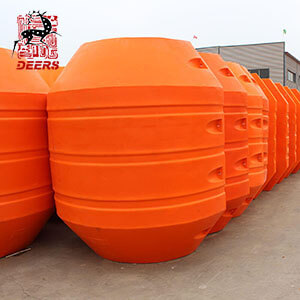
Anchors may be deployed progressively during pipeline positioning or installed with the assistance of anchor boats for precise adjustment. Anchor cables are typically secured to mooring points on the discharge pipe or floaters.

As dredging progresses and the dredger advances, anchor cables should be adjusted accordingly to maintain optimal pipeline configuration. If anchor effectiveness is reduced due to improper cable length or anchor orientation, repositioning should be carried out without delay.

Related Products

Prev: