Fender Panels and Facing Pads in Cone & Cell Fender
Date:2026-04-22
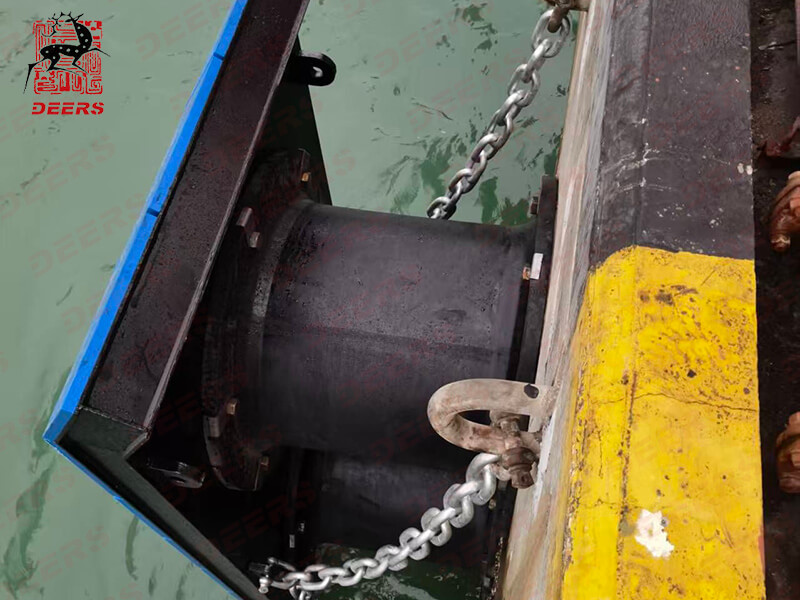
Modern marine fender systems—especially cone and cell fenders—are no longer just standalone rubber units. They are engineered systems designed to safely absorb berthing energy while protecting both vessels and quay structures.
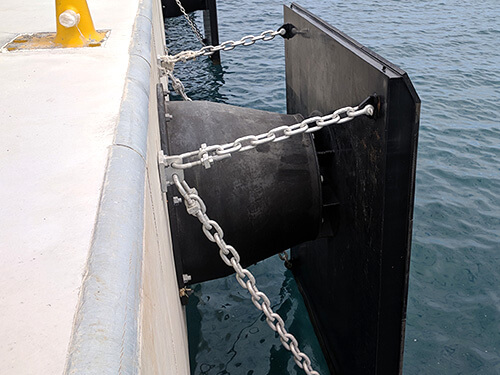
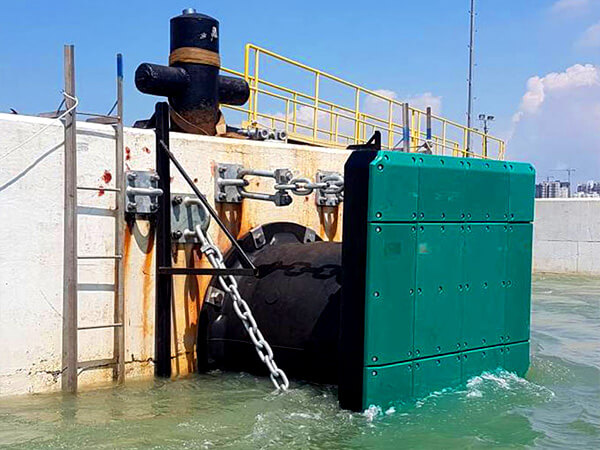
A typical fender system consists of three main components:
The rubber fender unit
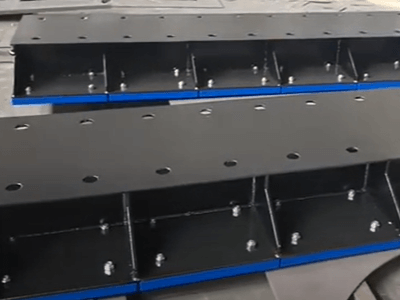
A frontal frame (steel panel)
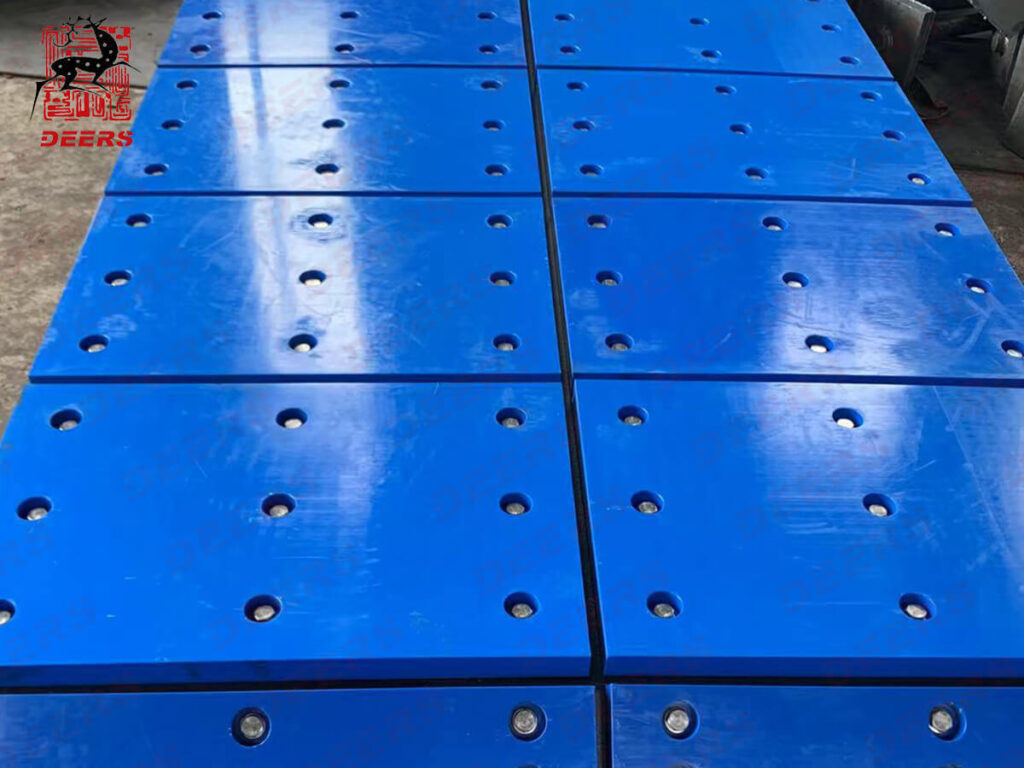
UHMW-PE facing pads
1. The Role of the Fender Panel
The frontal frame, also known as the panel, is a steel structure installed in front of the rubber fender. Its primary function is to distribute berthing forces over a larger contact area.
Without a panel, the vessel would directly compress the fender body, resulting in high localized pressure. This can increase the risk of hull damage and reduce overall system efficiency.
By spreading the load, the panel significantly reduces contact pressure on the vessel hull and enhances safety during berthing operations.
2. The Function of Facing Pads
Facing pads are typically made of UHMW-PE (Ultra High Molecular Weight Polyethylene) and are mounted on the surface of the panel.
Their key function is to provide a low-friction interface between the vessel and the fender system. This helps to:
Reduce friction during vessel movement
Minimize shear forces caused by tidal changes or mooring adjustments
Protect both the vessel hull and the steel panel from wear and damage
Complete Fender System
When cone or cell fenders are combined with frontal frames and facing pads, they form a complete and highly efficient fender system.
This integrated design offers several advantages:
High energy absorption
Low reaction force
Reduced hull pressure
Improved durability
Lower maintenance requirements
Such systems are widely used in ports, terminals, and berths where large vessels require controlled and reliable berthing performance.