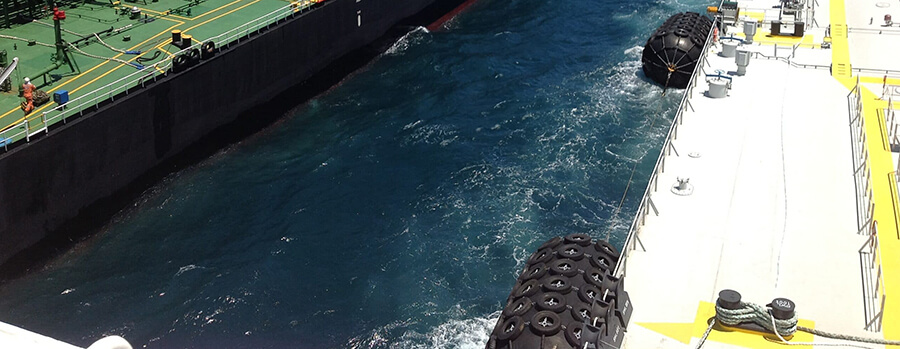
When it comes to ship-to-ship (STS) operations or berthing at offshore terminals, choosing the right protection system is critical. One of the most widely used solutions today is the pneumatic fender.
What is a Pneumatic Fender?
A pneumatic fender (also known as a Yokohama fender) is a floating rubber fender filled with compressed air. It is designed to absorb the kinetic energy between vessels or between a vessel and a quay.
Unlike solid rubber fenders, pneumatic fenders use air elasticity to provide:
High energy absorption
Low reaction force
Excellent performance under large deflection
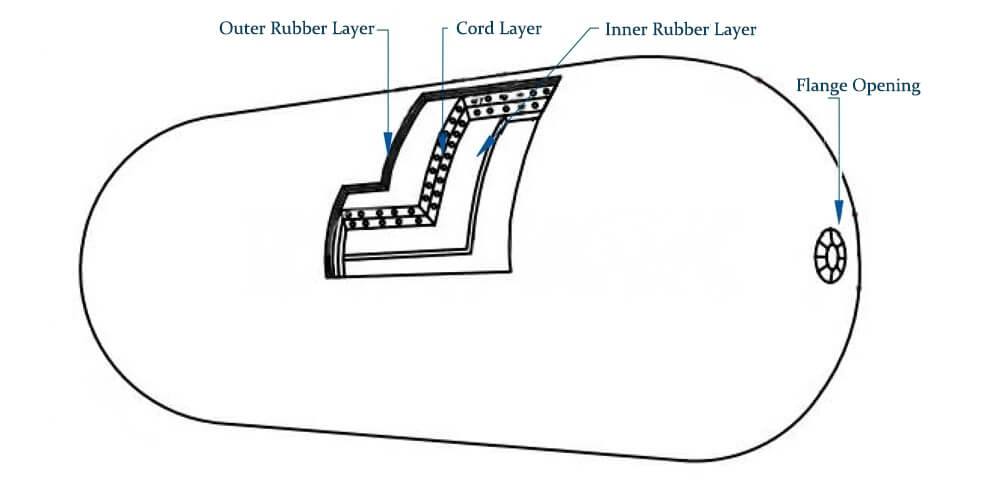
1. Key Structure
Outer rubber layer
Resistant to abrasion and harsh marine conditions
Reinforced synthetic tire cord layers
Providing strength and pressure resistance
Inner rubber layer
Ensuring air tightness
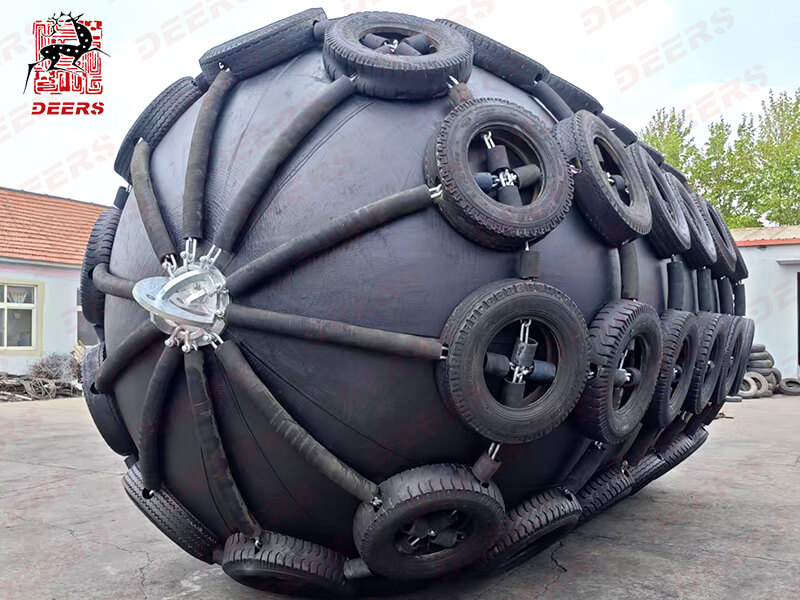
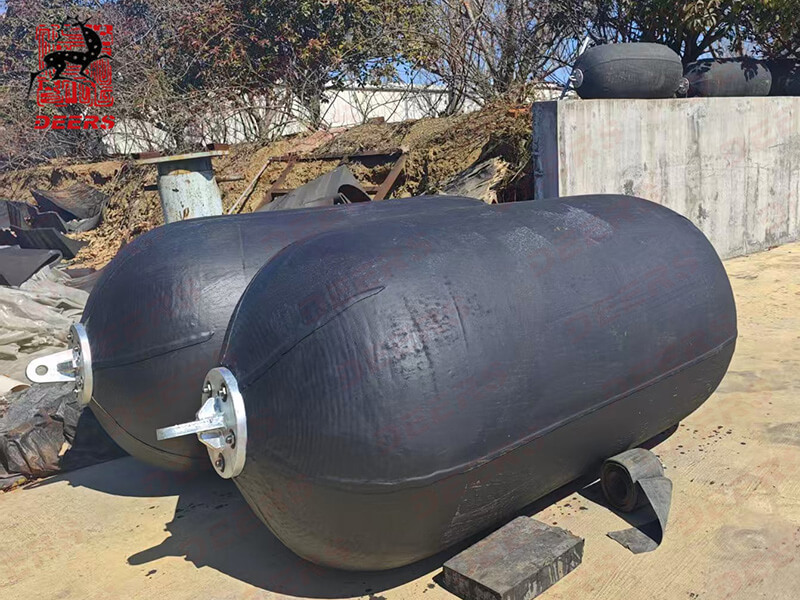
Optional:
Chain & Tire Net (CTN) protection system
Sling type configuration (without net)
2. Typical Applications
Ship-to-Ship (STS) transfer operations
LNG & oil terminals
Offshore platforms
Large vessel berthing (tankers, bulk carriers)
Tugboat operations
3. Internal Pressure:
50kpa
VS
80kpa
Selection depends on vessel size and operational requirements.
Why Choosing the Right Fender Matters?
A properly selected pneumatic fender can:
Prevent hull damage
Improve operational safety
Reduce maintenance cost
Extend service life
On the other hand, incorrect selection may lead to:
Excessive reaction force
Fender damage
Safety risks during operations
Not all pneumatic fenders are the same. The right selection depends on application, vessel size, and working conditions.
If you are planning an STS operation or port project, understanding these basics can help you make a safer and more cost-effective decision.