How to Select the Right Marine Fender System for Ports and Terminals
Date:2026-03-06
In port and terminal construction, the marine fender system plays a critical role in protecting both vessels and berth structures during berthing operations. Selecting the right type of fender not only ensures operational safety but also reduces maintenance costs and extends the service life of port infrastructure.
Below are several key factors to consider when choosing a suitable fender system for a berth.
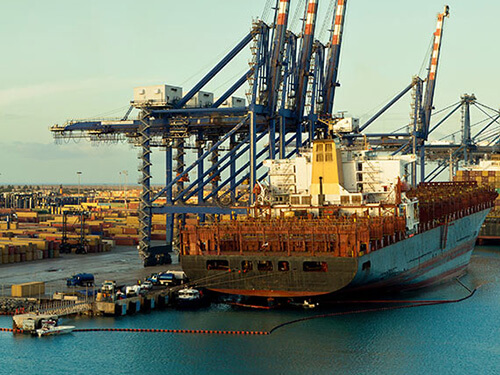
Vessel Characteristics
Understand the size, speed, and frequency of vessels using the berth
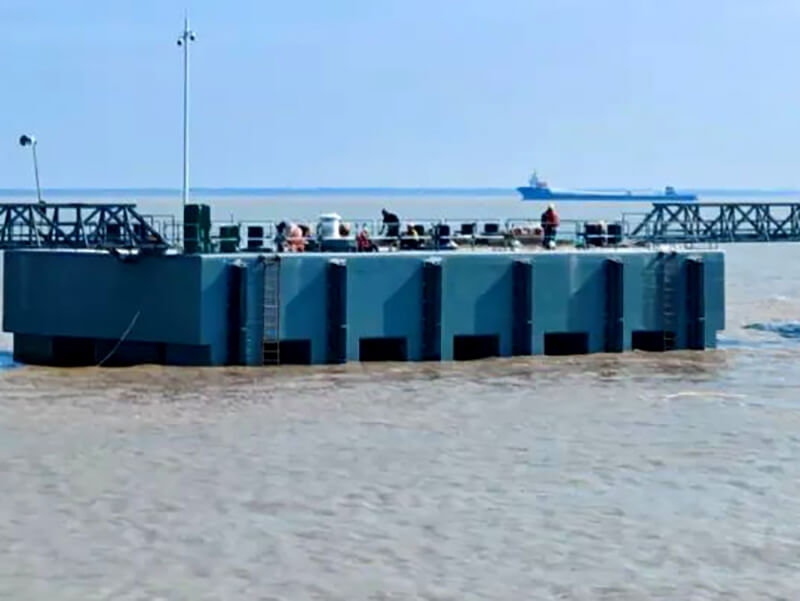
Berth Structure
Consider the structural design of the berth and mounting options
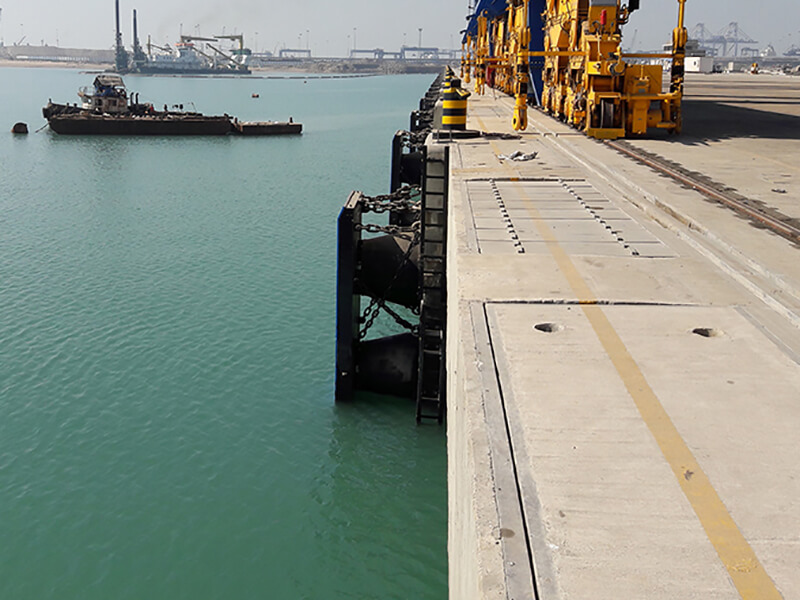
Fender Types
Select the appropriate fender type based on project requirements
1. Understand the Vessel Characteristics
The first step in selecting a fender system is understanding the types of vessels that will regularly use the berth. Important parameters include:
- Vessel size and displacement
- Berthing velocity
- Hull shape of the vessel
- Frequency of berthing operations
Large vessels such as oil tankers, LNG carriers, and bulk carriers typically generate higher berthing energy. These vessels require fender systems with high energy absorption capacity and controlled reaction force.
Smaller vessels, on the other hand, may require more compact and flexible fender solutions.
2. Consider the Berth Structure
Different berth structures require different fender system designs. For example:
- Gravity quay walls usually allow the installation of panel-type fender systems such as cone fenders or cell fenders.
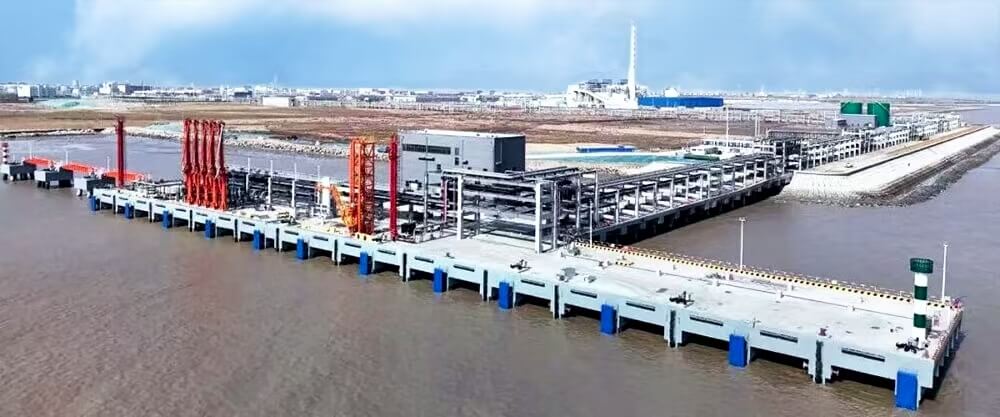
- Pile-supported jetties often require more flexible solutions, such as arch fenders or cylindrical fenders.
- Ship-to-Ship (STS) operations frequently use pneumatic rubber fenders because of their mobility and excellent energy absorption performance.
Understanding the structural characteristics of the berth is essential for selecting the appropriate mounting method and fender type.
3. Choose the Appropriate Fender Type
Several types of marine fenders are commonly used in ports and terminals, including:
- Cone fenders – High energy absorption with relatively low reaction force, ideal for large berths and heavy vessels.
- Cell fenders – Widely used in general cargo terminals and container ports due to their reliable performance.
- Arch fenders – Simple structure and easy installation, suitable for small to medium-sized vessels.
- Cylindrical fenders – Cost-effective and commonly used in smaller docks and tugboat applications.
- Pneumatic fenders – Highly flexible and widely used in offshore operations and ship-to-ship transfers.
Each type offers specific advantages depending on the operational requirements and project conditions.
Conclusion
Selecting the right marine fender system requires a comprehensive understanding of vessel characteristics, berth structure, and operational conditions. A well-designed fender system can significantly improve berthing safety, reduce structural stress, and ensure long-term operational reliability for ports and terminals.
Working with experienced manufacturers and engineers can help ensure that the selected fender system provides optimal protection and performance.
RELATED
- Supply Cell and Arch Fender Systems for Nantong Port’s 100,000 DWT Grain & Oil Berth Project
- Supply of Welded Dredge Ball Joints to a New European Client
- Causes and Countermeasures of Floating Dredging Pipeline Bursting
- H200mm DD fenders were delivered to a Client in Pakistan
- How to Accurately Provide Dimensions for Tugboat Fenders
- Supply of W Type Fenders to a Jordanian Client
- Marine Rubber Airbag Repair Steps: Inspection, Patching, and Testing
- Pneumatic Fenders Delivered Ahead of Holiday