HomeNewsIndustry NewsExpansion Joint in Dredging Pipeline: Functions, Types & Applications
Expansion Joint in Dredging Pipeline: Functions, Types & Applications
Date:2026-03-24
During dredging operations, pipeline systems transport water, slurry and other media. In this process, they are subjected to pump vibration, fluid impact and construction displacement. Without effective buffering, pipelines are prone to leakage and fatigue. Expansion joints are therefore essential to mitigate these issues, providing the following functions:
Absorb vibration and thermal stress while reducing noise.
Minimizewear and leakage to ensure pipelinereliability.
Extend pipeline life and enhancing stability.
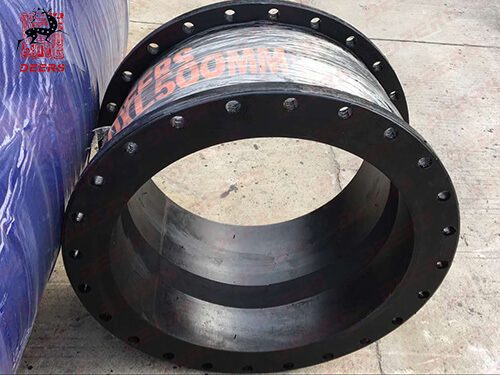
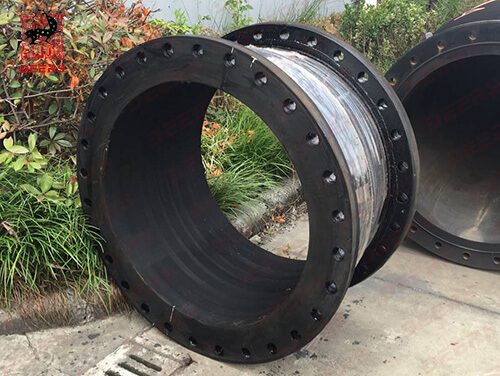
Based on material and structure, expansion joints are typically classified into three main types:
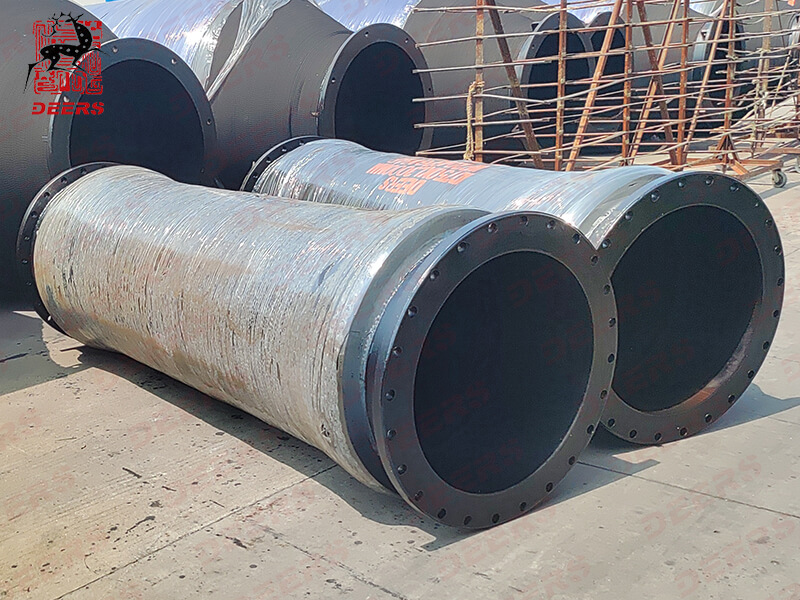
Standard Expansion Joint
Flexible structure and simple design, suitable for medium and low pressure pipelines.
Ideal for conventional water and slurry pipelines, ensuring safety while absorbing vibration and displacement.
Armored Expansion Joint
Reinforced with internal armored wear rings, offering exceptional pressure resistance and impact resistance.
Applied in high-pressure sections of large dredgers.
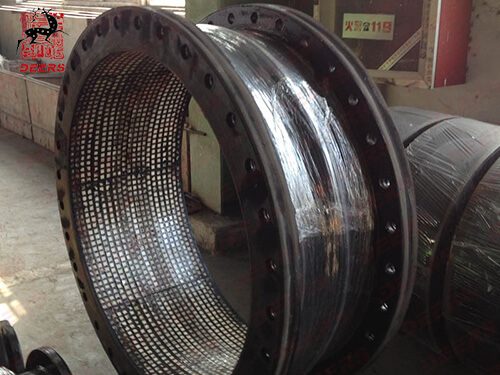
Ceramic Expansion Joint
Embedded with ceramic inserts, providing high wear resistance against abrasive and high-silt-content media.
Suitable for high-wear pipelines, such as river dredging pipelines.
In dredging pipeline systems, selecting proper expansion joints is critical for ensuring safe operation, reduce stress and extend service life. If you are choosing suitable expansion joints for your pipelines, please let us know and our experts are ready to provide customized solutions for your projects.