

Mooring Rope Types Explained: How to Choose the Right One for Your Vessel?
Date:2026-08-05
A vessel that snaps a mooring line during a storm surge, or wears through a rope faster than expected, isn’t usually the victim of bad luck — it’s usually the result of the wrong rope for the job. Choosing the right mooring ropes isn’t just a maintenance decision; it directly affects vessel safety, berth downtime, and long-term cost.
Why Does Mooring Rope Selection Matter?
A vessel may be safely secured at the berth, but the performance of its mooring lines can make a significant difference when wind, waves, currents, and passing vessels create additional loads. The right mooring rope needs to match both the vessel and the working environment — get it wrong, and you risk line failure, cargo delays, or costly re-mooring operations.
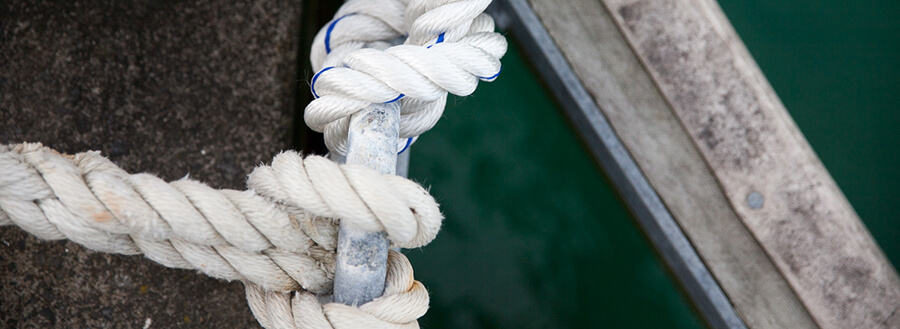
Types of Mooring Rope
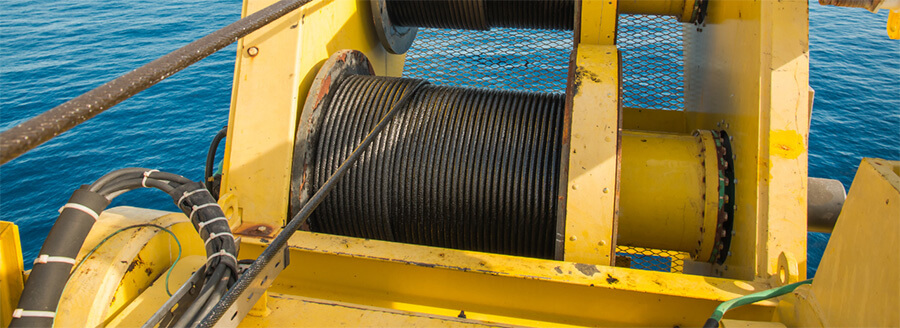
1. Wire Ropes
Wire ropes provide high strength, excellent abrasion resistance, and very low stretch. They are suitable when firm restraint and dimensional stability are required. However, their low elasticity means they absorb less energy from sudden dynamic loads, and they require regular inspection and maintenance.
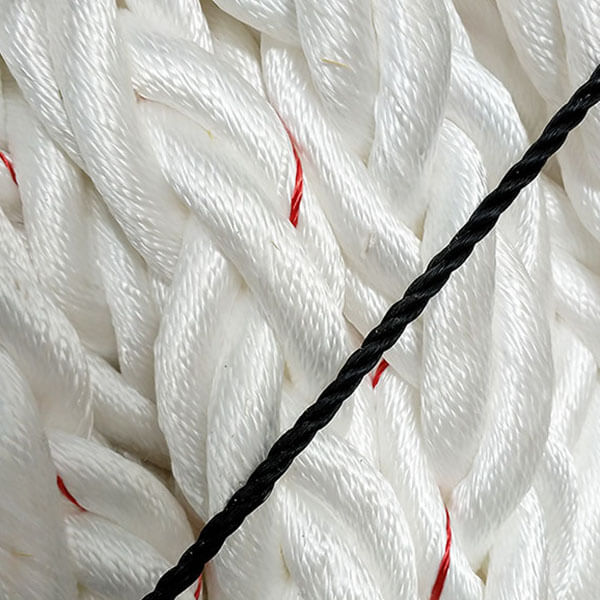
2. Synthetic Fibre Ropes
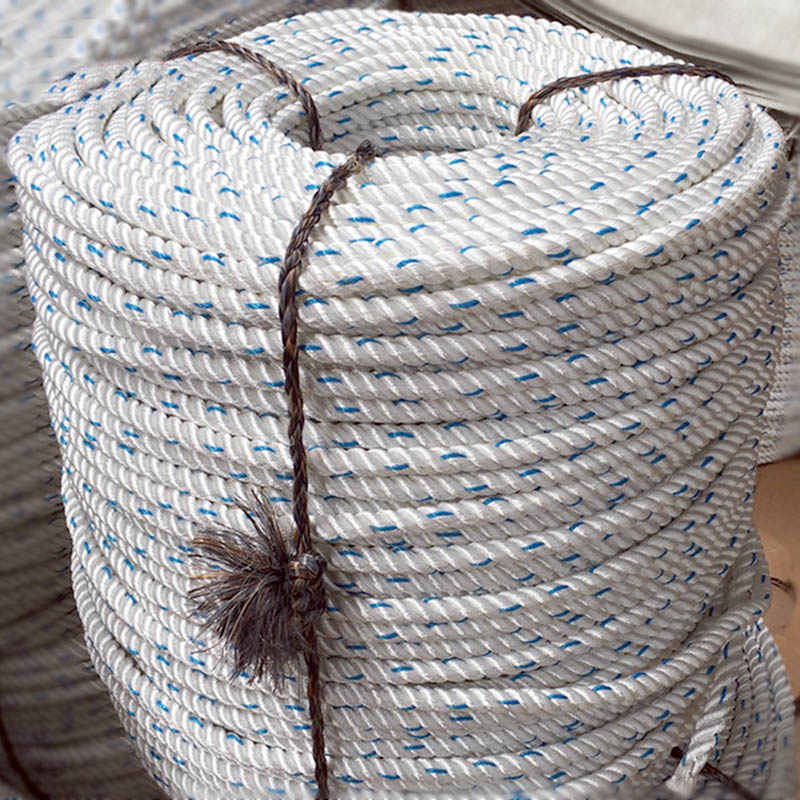
Synthetic ropes are lighter and easier to handle.
- Nylon provides excellent elasticity and shock absorption.
- Polyester offers low stretch and strong resistance to UV and abrasion.
- Polypropylene is lightweight and buoyant.
- HMPE provides exceptional strength with very low stretch.
3. Hybrid Ropes
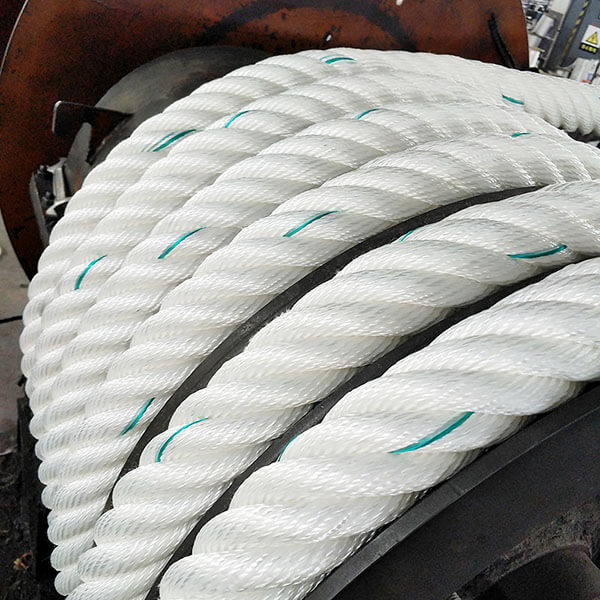
Hybrid ropes combine different materials to achieve a balance between strength, performance, and handling. They can be considered for demanding applications where both load capacity and ease of use are important.
Comparison at a Glance
| Rope Type | Strength | Stretch | Abrasion Resistance | UV Resistance | Resistance Weight | Best For |
|---|---|---|---|---|---|---|
| Wire Rope | Very High | Very Low | Excellent | N/A | Heavy | Firm restraint, dimensional stability |
| Nylon | Medium-High | High | Good | Moderate | Light | Shock absorption, dynamic loads |
| Polyester | High | Low | Very Good | Excellent | Light | Long-term UV/weather exposure |
| Polypropylene | Medium | Medium | Fair | Fair | Very Light | Buoyant applications, easy handling |
| HMPE | Very High | Very Low | Good | Good | Very Light | High load, low-stretch, easy handling |
| Hybrid | High | Tunable | Good-Excellent | Good | Medium | Demanding, mixed-requirement applications |
The Right Rope Depends on the Application
When choosing mooring ropes, consider more than just breaking strength. Vessel size, environmental conditions, dynamic loads, required stretch, abrasion, UV exposure, and handling requirements all affect the final selection.
The best mooring rope is not necessarily the strongest or most expensive one. It is the rope whose material and construction are properly matched to the actual mooring conditions.
Not sure which mooring rope suits your vessel and berth conditions?
Our team can help you match rope type, diameter, and construction to your specific mooring environment — contact us for a tailored recommendation.
Nanjing Deers Industrial Co., Ltd
Tel:86-25-84507790
Fax:86-25 84660486
Whatsapp:+86 13376094258
Email: benny@chinarubberfender.com
Next: Tender – Palm Beach Harbor Maintenance Dredging, Florida, USA
RELATED
- Danforth Anchor: Design, Applications & Size Selection Guide
- DN1000mm Dredge Ball Joints Shipped to Southeast Asia for Dredging Project
- 2.5×4m pneumatic fenders have been successfully installed at the berth
- Repeat Order of D-Type Fenders Successfully Dispatched
- Complete Dredging Pipeline System
- ID900 dredging suction hoses have been delivered for CCCC
- 800H Arch Fenders were delivered for a client in Bangladesh
- ID600 Floating Hoses Ready for Delivery to Tianjin Dredging Company