

Why do pneumatic fenders from different suppliers have such big price differences?
Date:2026-07-15
When sourcing pneumatic fenders, one question frequently arises:
Why do quotations from different suppliers vary so much, even for the same size and pressure rating?
For example, you may receive quotations for a 2.0 × 3.5 m, 50 kPa pneumatic fender from several manufacturers, yet the prices differ by 20%, 40%, or even more.
Does this simply mean one supplier has a higher profit margin? In most cases, the answer is no.
The price of a pneumatic fender is influenced by its materials, internal structure, manufacturing process, testing standards, accessories, and even the way its dimensions are defined. Understanding these factors helps buyers compare quotations fairly and select a product that delivers long-term value rather than simply the lowest purchase price.
1. Rubber Quality Makes a Significant Difference
The outer appearance of most pneumatic fenders looks similar — all are black rubber cylinders. However, the rubber compound formulation and mechanical properties can vary significantly between manufacturers.
High-quality pneumatic fenders use specially formulated rubber compounds designed to achieve balanced performance, including:
- High tensile strength and elongation for repeated deformation
- Proper hardness for stable load-bearing performance
- Excellent abrasion resistance against external wear
- Superior aging and ozone resistance for long-term outdoor use
- Better resistance to seawater and harsh marine environments
Lower-cost products may use different rubber formulations or lower-grade materials that do not provide the same level of mechanical performance and environmental resistance. Although they may look similar when new, differences can appear over time, such as faster aging, surface cracking, reduced elasticity, and shorter service life.
Since pneumatic fenders operate under repeated compression and exposure to harsh marine conditions, rubber material properties play a critical role in ensuring reliable performance and reducing lifecycle costs.
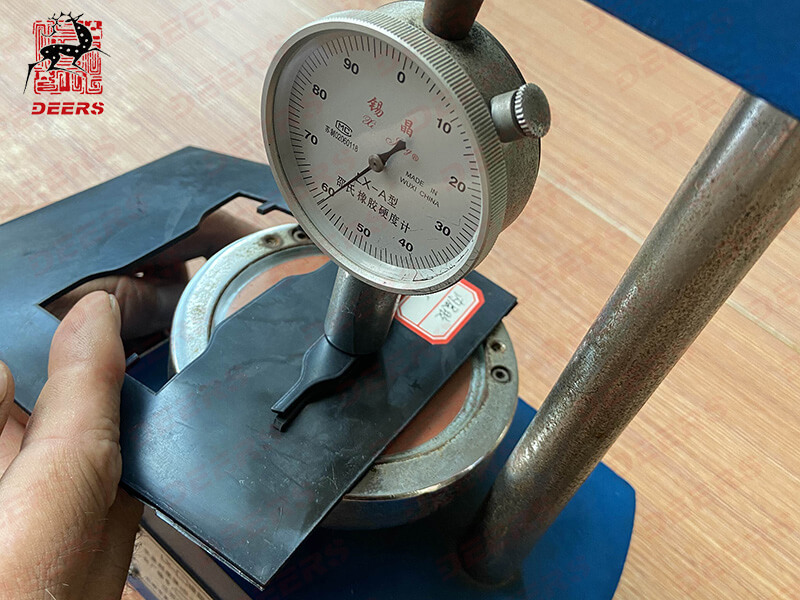
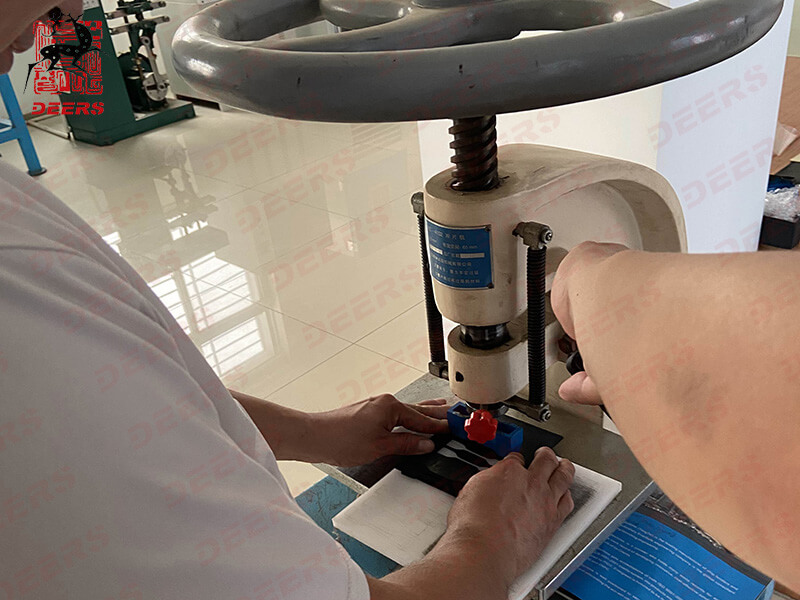
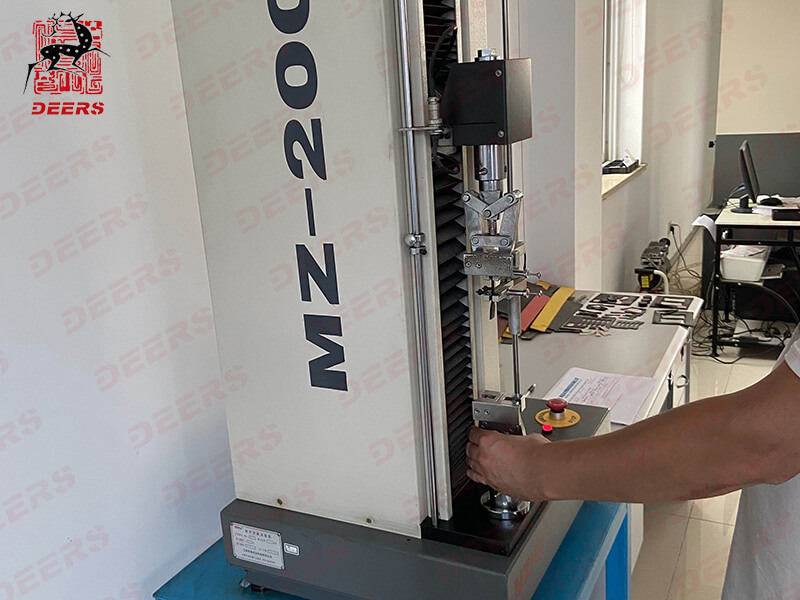
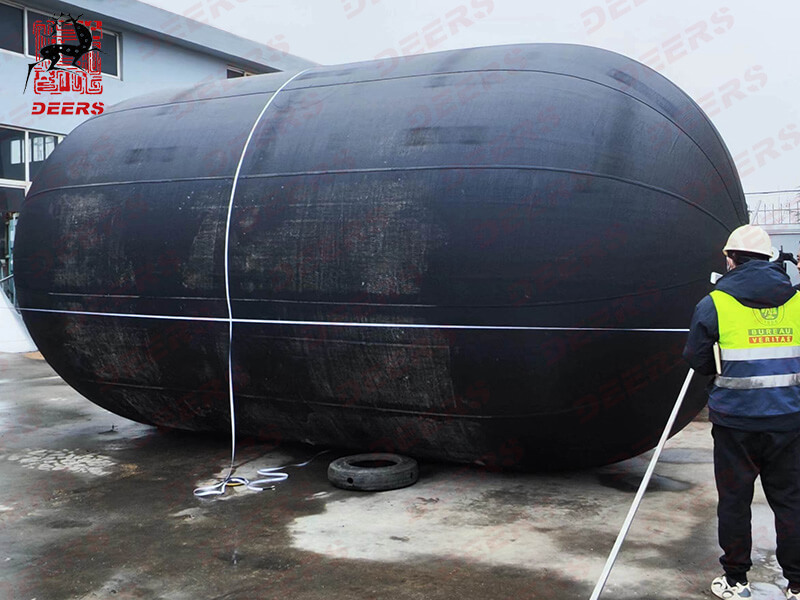
Rubber Material Performance Inspection👇
2. Internal Reinforcement Structure Determines Strength
Pneumatic fender is much more than an inflatable rubber bag.
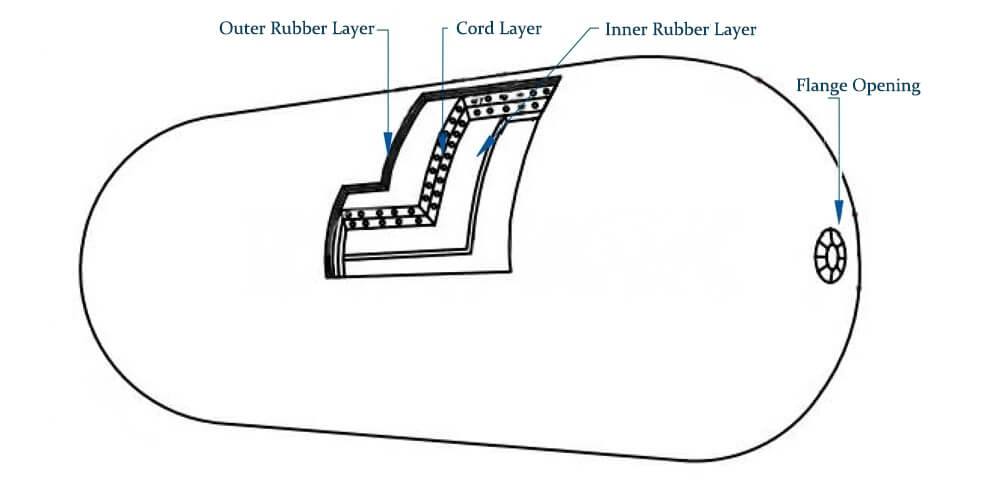
Its strength comes from multiple layers of high-strength synthetic tire cord embedded between the inner and outer rubber layers.
These reinforcement layers are responsible for:
- Maintaining structural integrity
- Withstanding repeated compression
- Absorbing berthing energy
- Preventing deformation during operation
Professional manufacturers carefully design the number, orientation, and quality of these tire cord layers to achieve stable performance.
Reducing reinforcement layers or using lower-quality materials may lower production costs, but it can also reduce strength, shorten service life, and increase the risk of premature failure.
3. Manufacturing Process and Quality Control Affect Reliability
Manufacturing a pneumatic fender involves much more than molding rubber.
Consistent quality depends on strict control throughout the production process, including:
- Rubber compound preparation
- Tire cord placement
- Lamination accuracy
- Vulcanization process
- Dimensional inspection
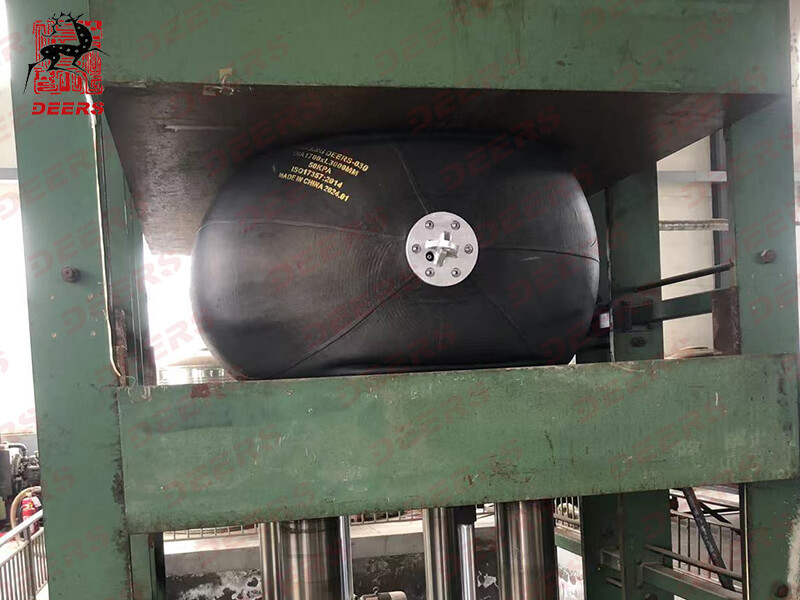
- Air-tightness testing
- Compression performance testing
Reliable manufacturers verify that every fender meets its specified performance before shipment.
Some projects also require independent third-party inspections by organizations such as BV, DNV, SGS, or LR, providing additional confidence in product quality.
Pneumatic Fender Performance Inspection👇

4. Different Size Definitions May Lead to Misleading Comparisons

This is one of the most overlooked reasons for price differences.
Professional manufacturers generally specify pneumatic fender dimensions based on the nominal diameter of the fender body, excluding the external tire net.
For example: D2000 × L3500 mm normally refers to the diameter of the inflatable fender body itself.
However, some suppliers may measure the overall diameter after installing the tire net, which naturally increases the outside dimensions.
As a result:
Supplier A
- Fender body diameter: 2000 mm
Supplier B
- Fender body diameter: 1800 mm
- Overall diameter with tire net: approximately 2000 mm
Both quotations may appear to describe a D2000 pneumatic fender, but the actual products are different.
Since the fender body’s diameter determines air volume, energy absorption, and reaction force, different measurement standards can easily create misleading comparisons.
Before placing an order, buyers should always confirm:
- Is the stated diameter the fender body diameter?
- Or the overall diameter including the tire net?
5. Included Accessories Can Change the Total Price
When comparing quotations, buyers should carefully check what is actually included.
Some suppliers provide only the pneumatic fender body, while others include a complete package containing:
- Tire net
- Tire chains
- Shackles
- Swivels
- Safety valve
- Inflation equipment
- Third-party inspection
- Packing suitable for international transportation
Although two quotations may describe the same fender size, the scope of supply can be significantly different.
Always compare the complete package rather than the headline price alone.
Lower Purchase Price Does Not Always Mean Lower Cost
A pneumatic fender is a critical marine safety device.
Its primary purpose is to protect:
- Ships
- Berths
- Offshore structures
- Loading terminals
- LNG facilities
- Ship-to-ship transfer operations
If a fender fails prematurely, the resulting repair costs, downtime, and operational risks can far exceed the initial savings achieved through a lower purchase price.
For this reason, experienced buyers often evaluate the total lifecycle cost, including:
- Expected service life
- Maintenance requirements
- Replacement frequency
- Operational reliability
Nanjing Deers Industrial Co., Ltd
Tel:86-25-84507790
Fax:86-25 84660486
Whatsapp:+86 13376094258
Email: benny@chinarubberfender.com
Next: New Batch of 1.7 × 3m Pneumatic Fenders to Mexico
RELATED
- Customized V Type Fenders Successfully installed for Berth Replacement Project in Nantong
- ID650 floating hoses Ready for Shipment to Australia
- 150T T-Head Bollards Ready for Delivery to Shandong, China
- Customized Pneumatic Rubber Fenders Perform Excellently in Harsh Conditions
- Minimum Practical Velocity in Dredging Pipelines: Why Does It Matter?
- Pneumatic Fender Accessories Successfully Delivered
- Cell Fenders Successfully Installed in Southeast Asia
- Danforth Anchor: Design, Applications & Size Selection Guide