Welcome to Marine Rubber Fender Supplier - Nanjing Deers Industrial Co.,Ltd

Skype: evasky86
Whatsapp: +86 13376094258
E-mail: benny@chinarubberfender.com

Marine Fender Selection Based on PIANC Design Principles
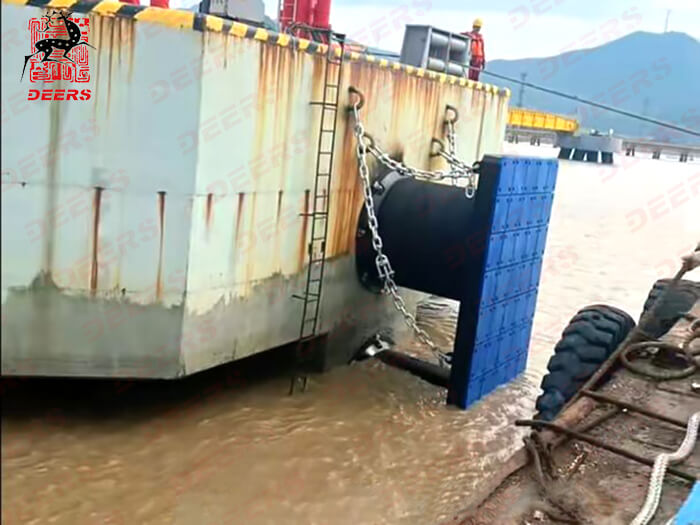
In port engineering, marine fender systems are essential for ensuring safe berthing operations by absorbing vessel kinetic energy and protecting both the ship hull and quay structure.

According to PIANC guidelines, fender selection should not be based solely on product type or quay category. Instead, it must be designed based on engineering parameters, including:

  • Berthing energy
  • Allowable reaction force
  • Contact pressure distribution

Therefore, fender design is fundamentally an energy absorption and load control problem rather than a simple product selection process.

1. Influence of Quay Structural Types

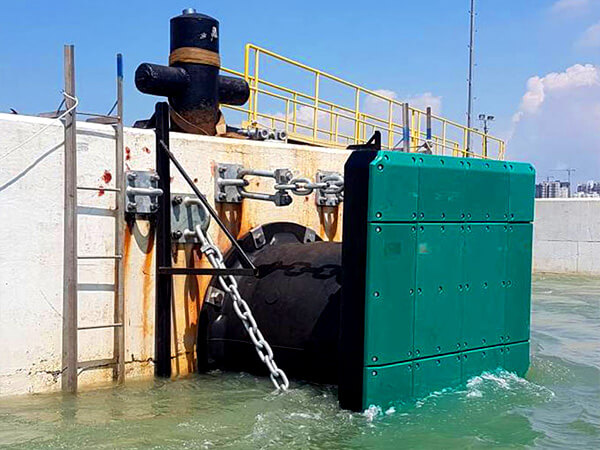
1.1 Gravity Quay Structure

Gravity quays are rigid structures that rely on self-weight to resist external forces. They are commonly used in large container terminals and bulk cargo ports.

Key Design Characteristics:

  • High structural stiffness
  • Higher allowable reaction force
  • Low deformation behavior

Recommended Fender Systems:

  • Cell Fender
  • Cone Fender
  • V Fender
  • Fender panel systems

Gravity structures allow higher reaction forces. Therefore, high energy absorption fender systems combined with panel structures are typically used to distribute contact loads.

1.2 Pile-Supported Quay

Pile-supported quays are flexible structures built on piles, commonly used in open berths.

Key Design Characteristics:

  • Lower structural stiffness
  • Sensitive to horizontal loads
  • Limited bending capacity of piles

Recommended Fender Systems:

  • D Fender
  • V Fender
  • Pneumatic Fender

The primary design requirement is to limit reaction force in order to protect pile foundations while maintaining sufficient energy absorption capacity.

1.3 Dolphin Structure

Dolphin structures consist of isolated berthing and mooring platforms, widely used in oil terminals and LNG facilities.

Key Design Characteristics:

  • Highly concentrated berthing loads
  • Large vessel operations
  • High structural demand per point
2000H super cell fenders 2

Recommended Fender Systems:

  • Cell Fender
  • Cone Fender
  • Heavy-duty fender panel systems

Due to concentrated impact forces, fenders must provide high energy absorption capacity and work together with frontal panels to reduce localized stresses.

2. Berth Layout Types

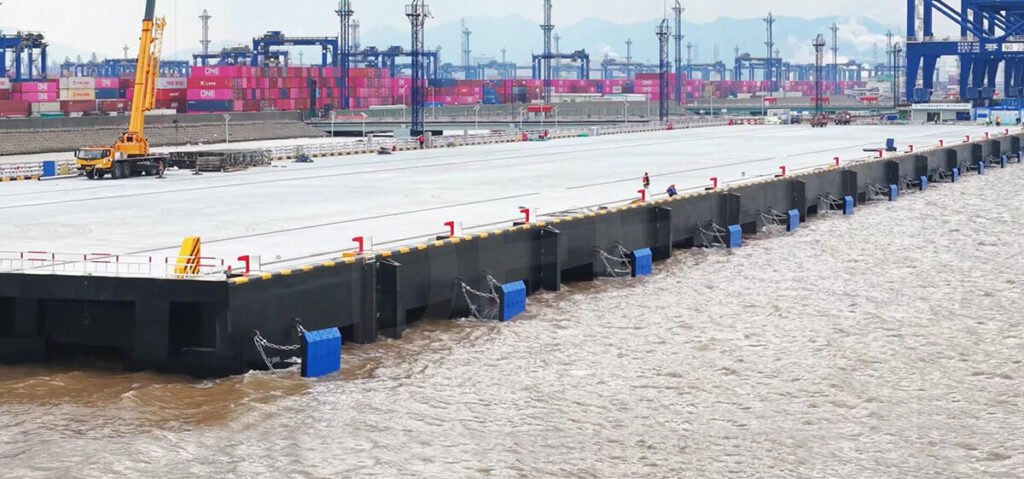
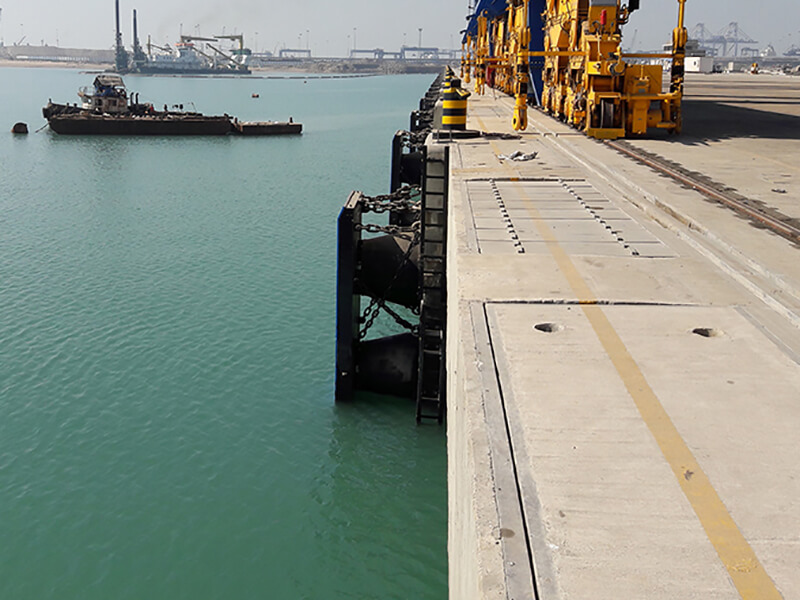
2.1 Continuous Quay Wall Berth

Continuous quay walls are straight, uninterrupted berthing lines commonly used in container and bulk terminals.

Typical Fender Systems:

  • D Fender
  • V Fender
  • Cylindrical Fender
  • Cell Fender
  • Cone Fender

Design emphasizes uniform energy distribution, proper fender spacing, and efficient protection under frequent berthing conditions.

rubber fender systems for Terminal - Nanjing Deers

2.2 Dolphin Berth Layout

Dolphin berths are point-based layouts consisting of isolated berthing structures rather than continuous quay walls.

Typical Fender Systems:

  • Cone Fender
  • Cell Fender

This layout is designed for large vessels requiring high energy absorption and flexible mooring arrangements, typically in oil and LNG terminals.

rubber fender systems

Key PIANC Fender Design Principles

According to PIANC guidelines, fender design must satisfy three fundamental criteria:

1. Energy Absorption

The fender system must absorb the full vessel berthing energy safely.

2. Reaction Force Control

The reaction force must remain within the allowable limits of the quay structure.

3. Contact Pressure Control

Local pressure between vessel, panel, and fender must be minimized to avoid structural damage.

Marine fender design is not a simple product selection task but an engineering optimization process based on PIANC principles.

A properly designed system ensures:

  • Safe vessel berthing operations
  • Reduced structural stress on quay walls
  • Extended service life of both fenders and port structures
  • Improved operational efficiency in ports
Prev: